
The Neighborhood That Time Forgot
I never knew this type of neighborhood still existed until we moved into our new home. This neighborhood, built in the 1980s and 90s, still captures what life was like during that time. A neighborhood where the streets are overflowing with life, people, families, and pets. A neighborhood where people take the time to introduce themselves, get to know you, and become like family. A neighborhood where you feel so safe that you can leave your door open. A neighborhood where you can slow down and rest in the peaceful surroundings.
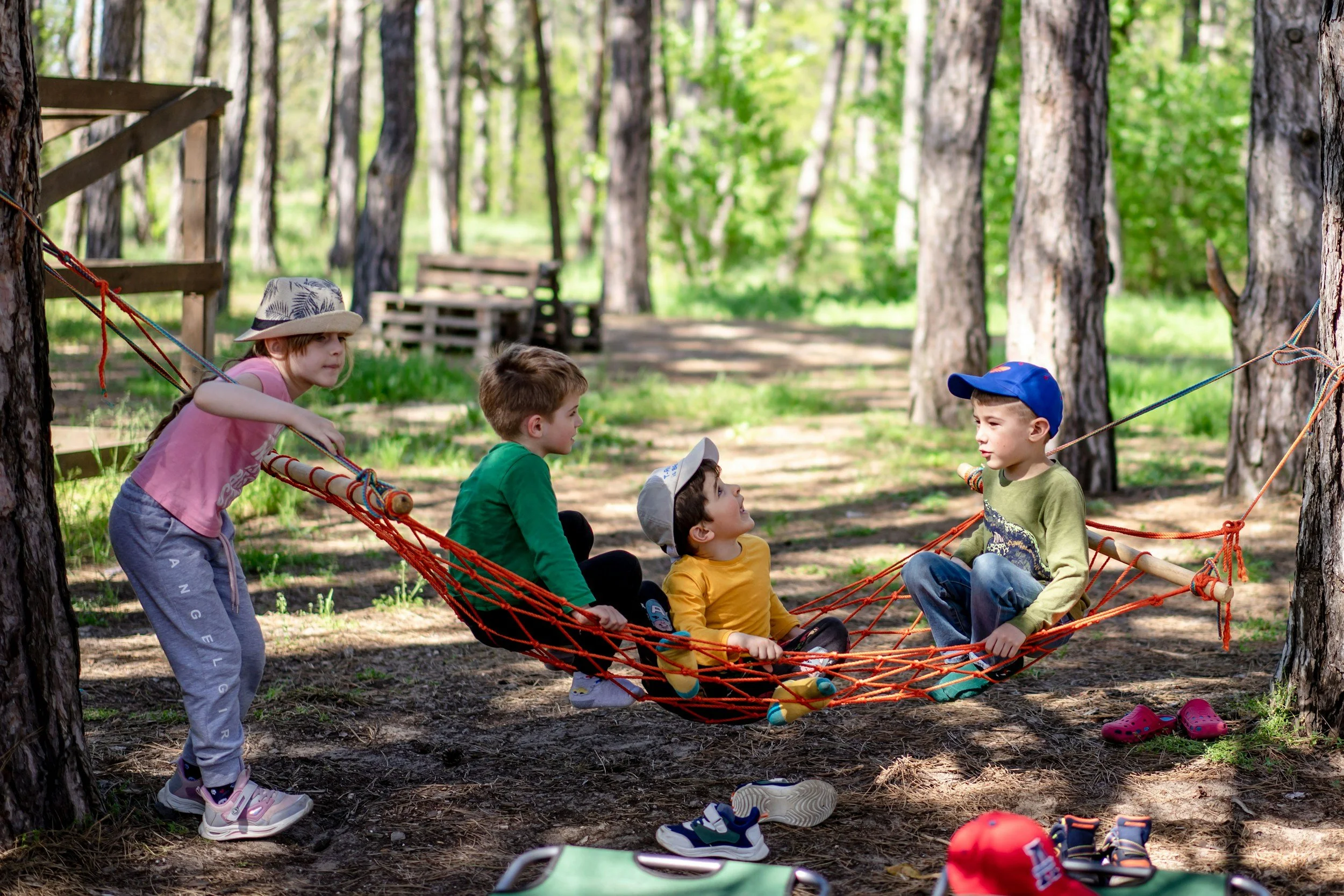
A neighborhood where kids are not consumed by electronics and actually play outside all day until it gets dark. A neighborhood where the sounds of laughter from kids playing outside fill the air. I never honestly thought it would be possible that my children would experience this beautiful, simpler time. My heart always grieved that our world had changed so much that they would not get to experience what we had as kids – with a ball, a bike, sunshine, trees, friends and endless hours of fun.
This is a stark contrast to many of the neighborhoods in the world today, where it can feel as though no one lives there because the streets are empty. It’s the weight of life’s responsibilities and the ever-increasing impact of technology on everyday life that has made it easier to stay inside and not make connection a priority.
The reason this type of neighborhood has been forgotten is not because it’s older or outdated. It’s because the world has forgotten that this kind of life can still exist. It is truly amazing that even all these years later, this neighborhood has preserved the same sense of community and the quiet, simpler time way of life it began with.
Our family is so grateful that God brought us to this neighborhood. In a short amount of time, it has made a lasting impact on us, especially our son. Our Son longed for friendships and connection but would often stay inside all-day long-playing video games.
When the kids began inviting him outside to play, I saw the community and family culture that made this neighborhood so different. I encouraged him to go play with them. At first, it must have seemed out of the ordinary, maybe even a little strange to him to be outside and not inside. Now he is outside playing with his friends and often shares just how happy he is. Witnessing him making the memories of a lifetime is what I’d always hoped and prayed for.
I want to leave you with this: the simpler way of life in our neighborhoods no longer needs to be forgotten, because it can still exist. When we choose to set community, connection, and family culture as our priority again, we can create an environment where relationships can grow and neighborhoods come alive.
From my heart to yours, Love, Lisa